In partnership with

SPD-BEEHIIV:7249d301-67ef-4540-9557-1e34b4d2f501:R12:3bf3ebc0da0fab01ef42e2ccOpenAI opens an experiment for agent-ready websites, while a London trial takes AI into brain surgery.
| Weekly digest / The Weekly Digest | Sunday, August 30, 2026 |
| | This week's briefing What happened this weekThis week, AI’s progress moved beyond model behavior into the systems around it: agent memory, browser-native tools, inference hardware, and clinical use. The defining pattern was controlled deployment, with validation gates, experimental standards, and single-case evidence setting the terms that carry into next week. | Inside this week's digest | | 01 | Google Research’s WikiSkill lifted Gemini 3.5 Flash’s five-benchmark average from 49.5% to 68.1% without retraining it. | | 02 | OpenAI reported that Jalapeño delivered 1.5–1.9x more work per watt in controlled tests, with larger deployment expected in 2027. | | 03 | A London clinical trial used live AI anatomy mapping during an 11mm pituitary-tumour removal, with surgeons retaining control. | | 04 | OpenAI’s WebMCP challenge tests whether developers will expose structured website actions to agents through an experimental standard. |
|
|
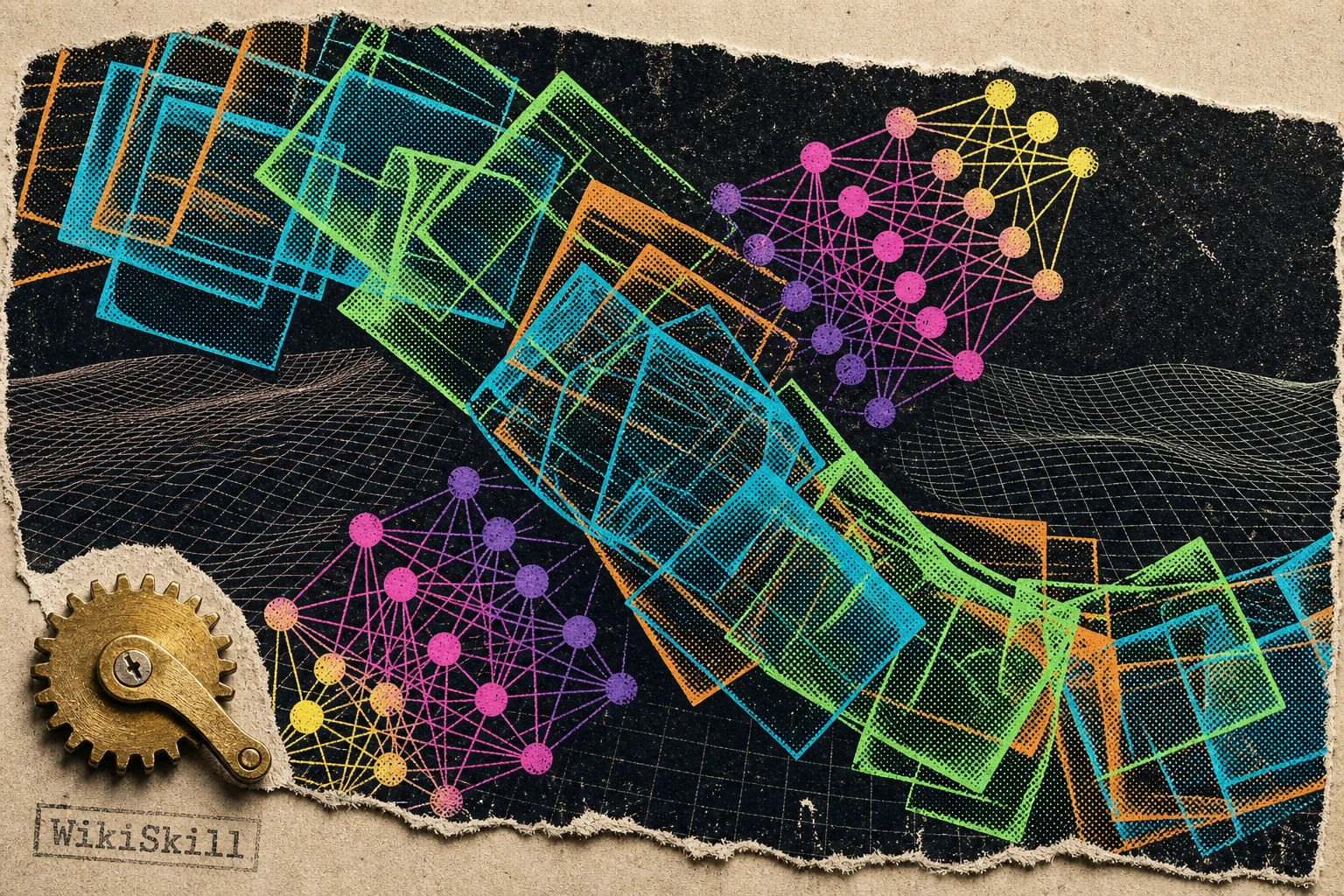 | Lead story / benchmark Google’s WikiSkill lifts agent scores without retraining modelsGoogle Research introduced WikiSkill, a framework intended to help AI agents retain practical lessons from earlier attempts without retraining the underlying model. In tests across five benchmarks, Gemini 3.5 Flash’s average score rose from 49.5% to 68.1% when it used the system’s evolving skills. WikiSkill separates evidence from action. A Raw Layer keeps full execution traces, a persistent Wiki Layer turns those records into documented failures and successful strategies, and a Skill Layer holds the instructions used on new tasks. Proposed changes are tested on a separate validation set; if an update reduces performance, the system can restore the prior skill while retaining the experience behind the failed proposal. The strongest results came in math and spreadsheet tasks. Gemini 3.5 Flash rose from 33.0% to 72.6% on LiveMath and from 50.5% to 76.6% on SpreadSheet, while Qwen-3.6-27B’s five-benchmark average increased from 39.4% to 63.3%. Improvements were smaller on the OfficeQA document question-answering task. The result offers a route to agent improvement based on preserving operational evidence and testing better instructions, rather than changing model weights. But it is not a universal reliability fix: larger models generally benefited more, smaller ones could revert to default behavior on long multi-step searches, and cross-model skill transfer was inconsistent. Deployment still requires testing whether a learned skill carries to the model and task at hand. Read full story ↗ |
|
Stop Paying for 10 Tools. One AI Does It All.
Most e-commerce sellers are running their store across 6 to 10 separate tools — and spending more time managing software than growing their business. StoreClaw replaces your entire stack with one autonomous AI engine that monitors competitors, optimizes listings, automates marketing, and tracks real profit across Shopify, Amazon, and beyond.
It doesn't wait for you to ask. It runs 24/7 in the background, so you wake up to a full dashboard instead of a list of things you forgot to check.
Connect your store, and StoreClaw gets to work — no prompts, no complex setup, no six-app stack.
Free to start. No credit card required.
 | A tool for your workflowWFH.teamA focused feed of carefully selected remote roles and practical work-from-home resources.Remote work, without the noisy job-board scroll | | | |
|
|
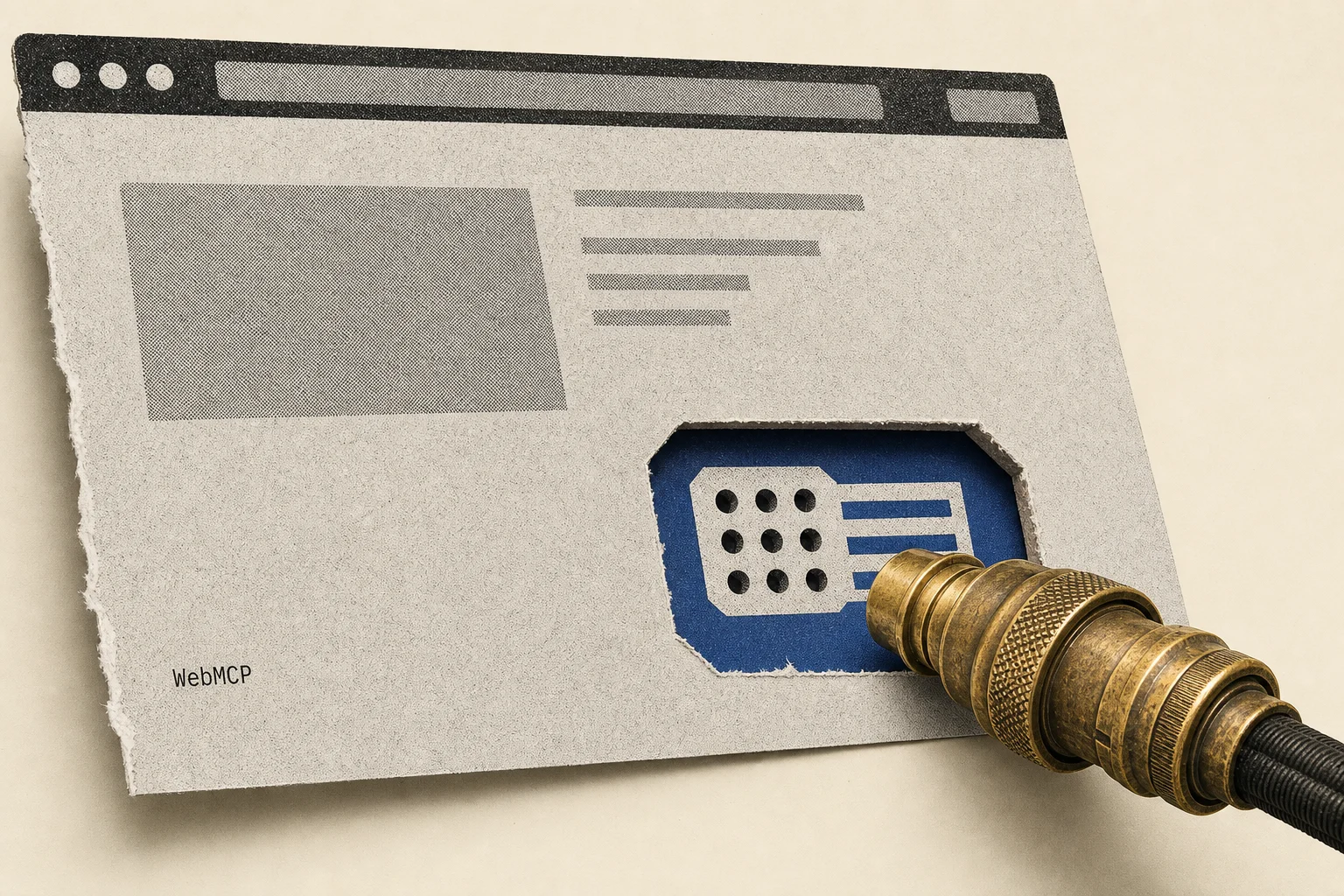 | platform shift OpenAI opens a 10-day challenge for websites to expose agent toolsOpenAI’s WebMCP Challenge asks developers to build applications around an experimental standard for publishing structured website actions that AI agents can call directly. The proposed tools run in a webpage’s JavaScript context and share the user’s session, rather than requiring a separate backend connection. Continue reading ↗ |
|
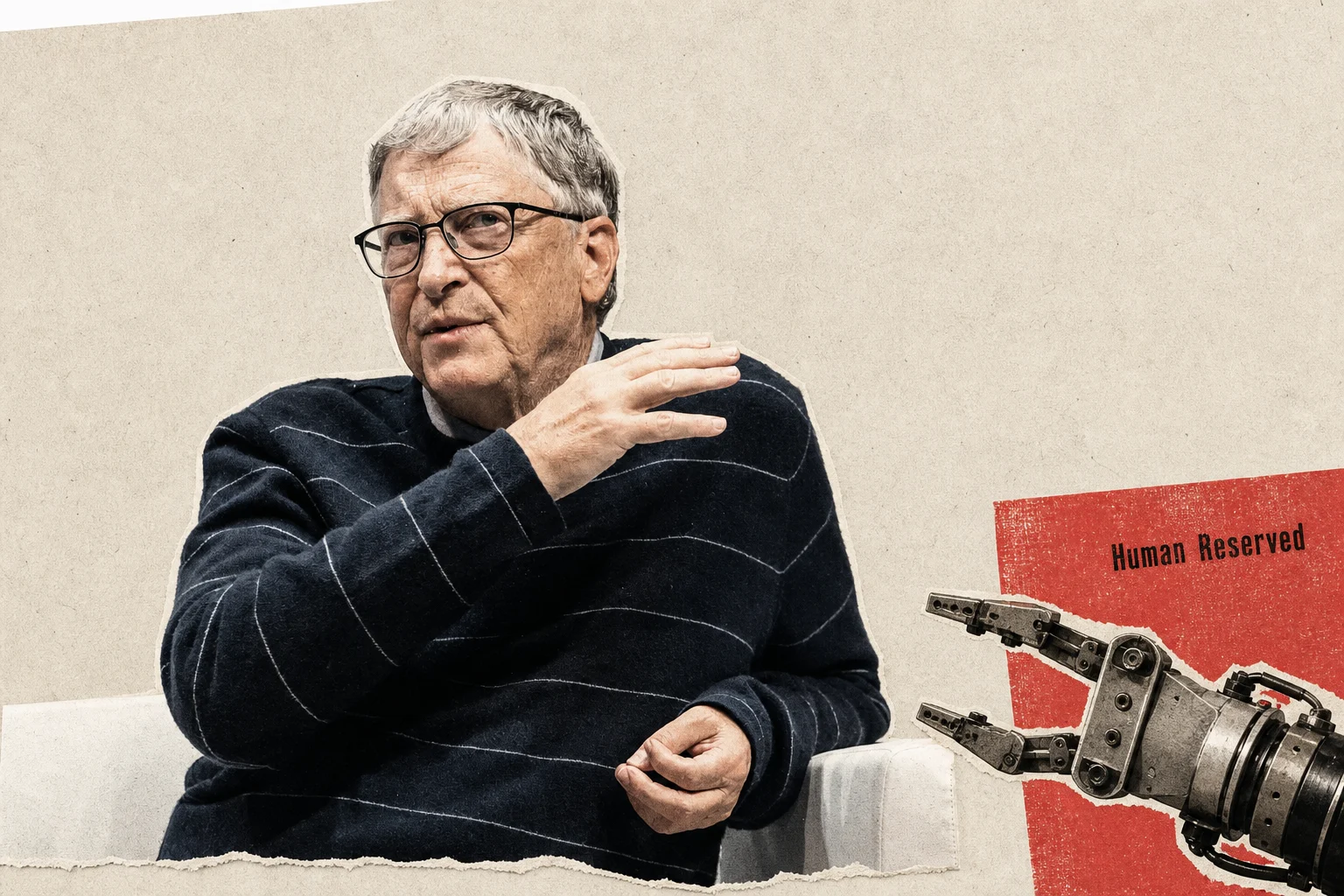 | regulation Bill Gates proposes taxing AI tokens and robots, reserving some jobsBill Gates is proposing taxes on robots and AI tokens, alongside a “Human Reserved” category where AI use could be restricted or barred. He argues the revenue could support retraining and social programs while slowing labor displacement, including in sensitive work. The proposal does not define covered technologies, tax authority, or eligible jobs. The International Federation of Robotics argues that taxing production tools could weaken investment, productivity, and competitiveness. Continue reading ↗ |
|
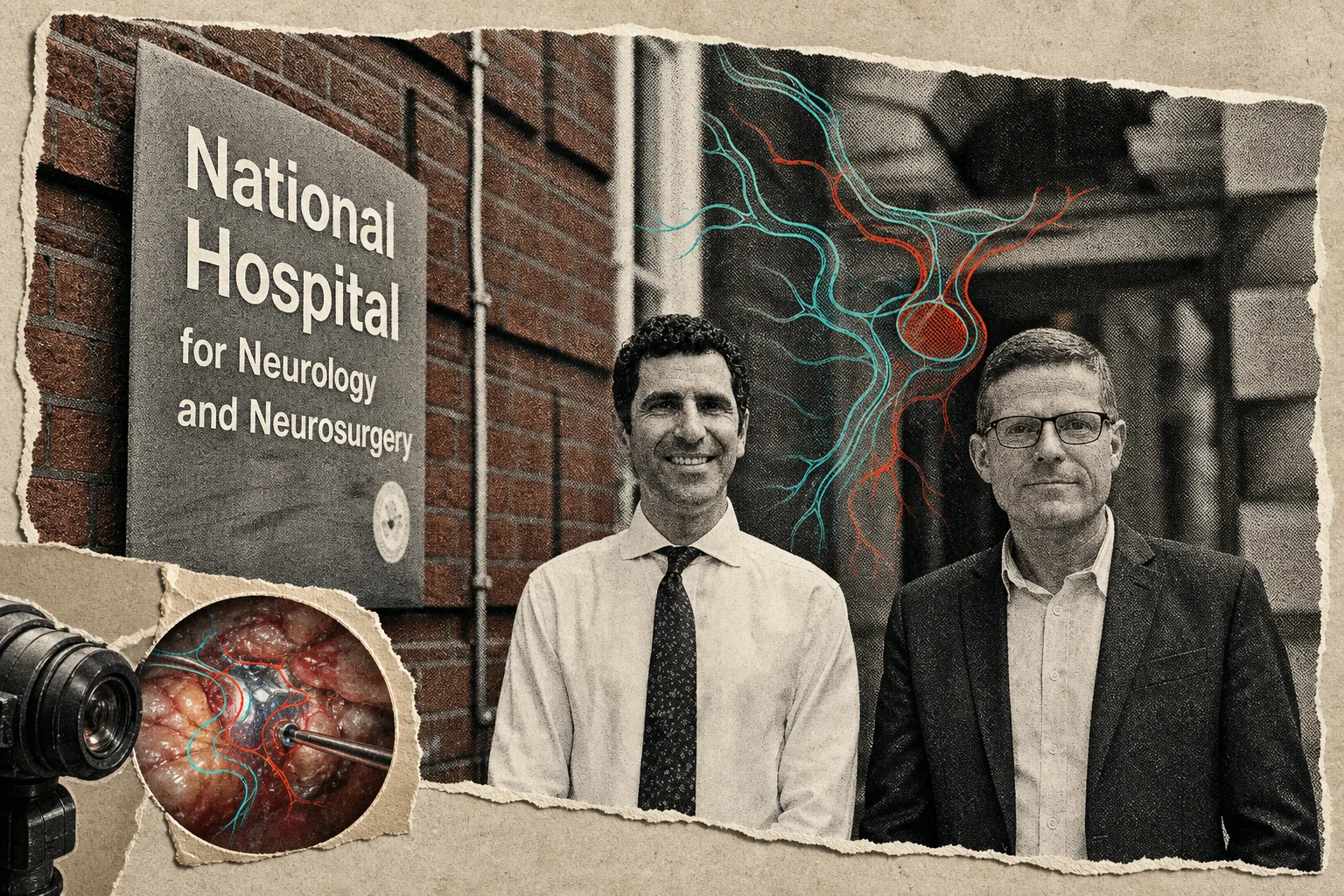 | platform shift London trial uses live AI anatomy mapping in 11mm tumour surgeryNeurosurgeons at London’s National Hospital for Neurology and Neurosurgery used live AI video analysis during the removal of Rhys Hibbert’s 11mm pituitary tumour. The system color-coded the gland, nerves, blood vessels, instruments, and tissue interactions; the system did not make surgical decisions, and the surgical team retained control. Continue reading ↗ |
|
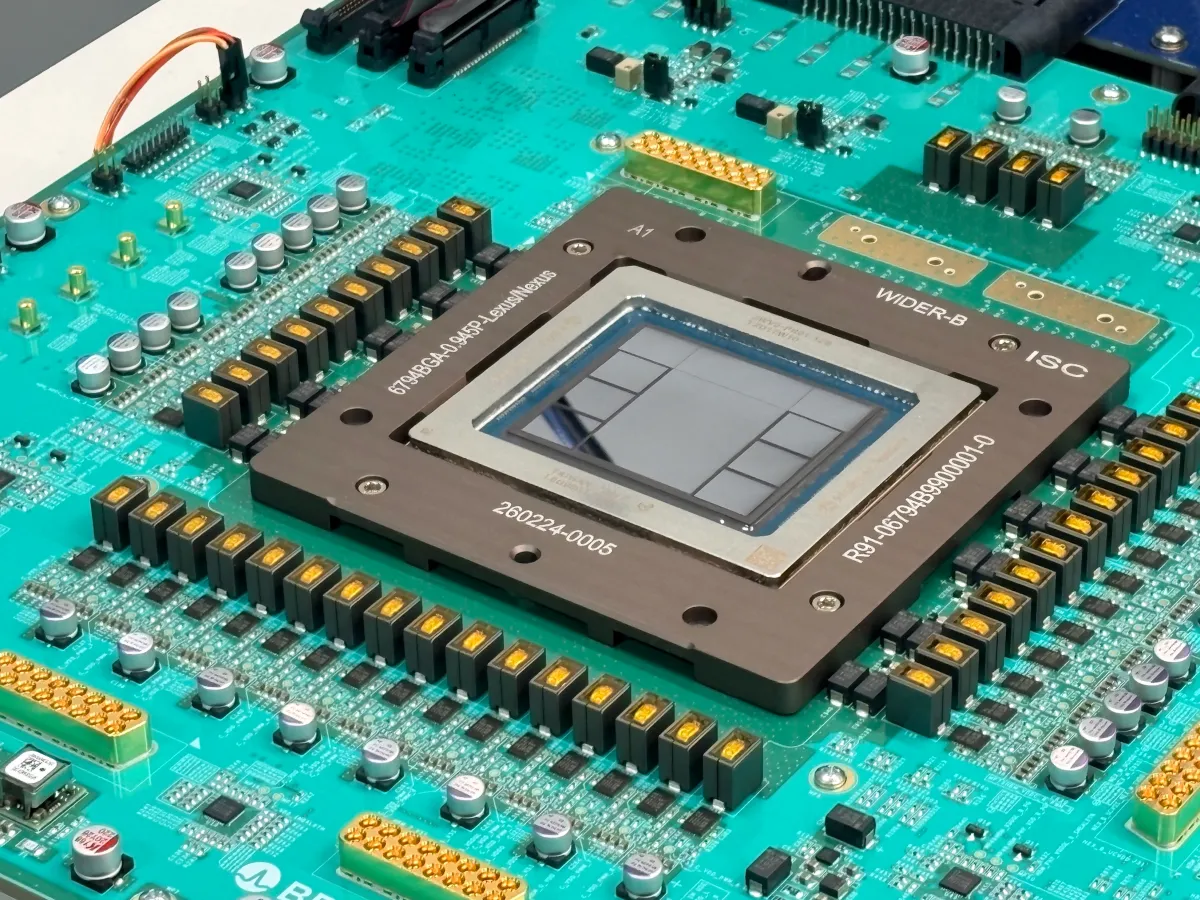 | platform shift OpenAI says Jalapeño chip delivers 1.5–1.9x more work per wattOpenAI reported that its first custom inference chip, Jalapeño, delivered 1.5–1.9x more work per watt and 1.7–3.6x lower end-to-end latency than comparison systems across three models. The controlled tests used short, single-turn 8k/1k workloads and excluded longer-context, multi-turn AgentX scenarios. Jalapeño remains an engineering sample, with a very small deployment expected by late 2026 and more significant deployment in 2027. Continue reading ↗ |
|
Voices designs, licenses, and captures your Branded AI Voice from real, consenting professional actors—never scraped data. Fully licensed, exclusively yours. Trusted by BMW and SuperBloom.
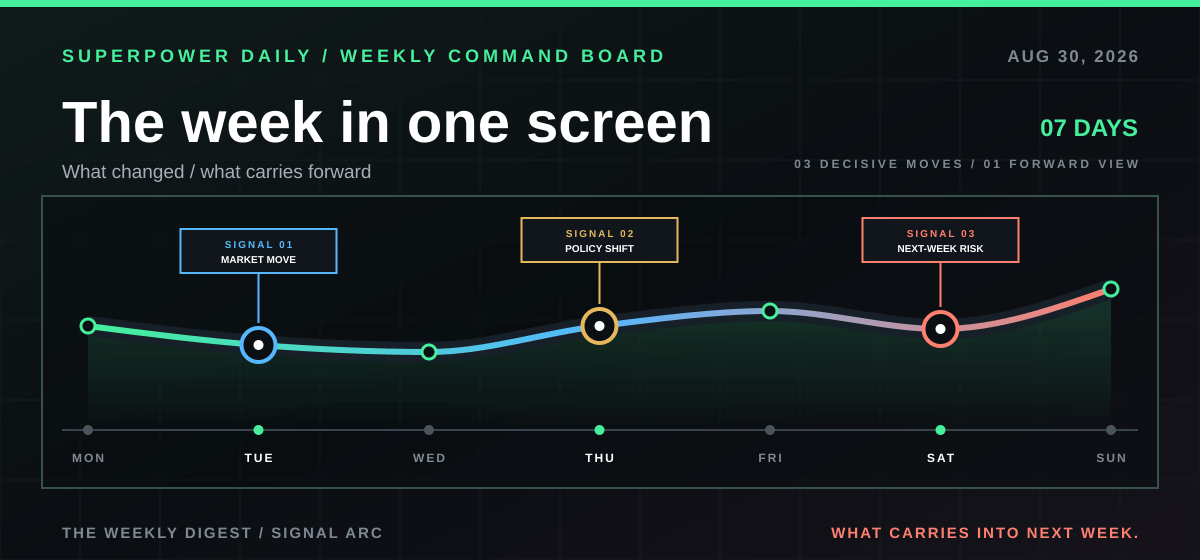 | The numbers behind the week’s security alerts and AI access rollout. |
|
| Reader tool / From our teamWFH.teamFind carefully selected remote roles and practical resources for distributed work.Remote work, without the noisy job-board scroll | 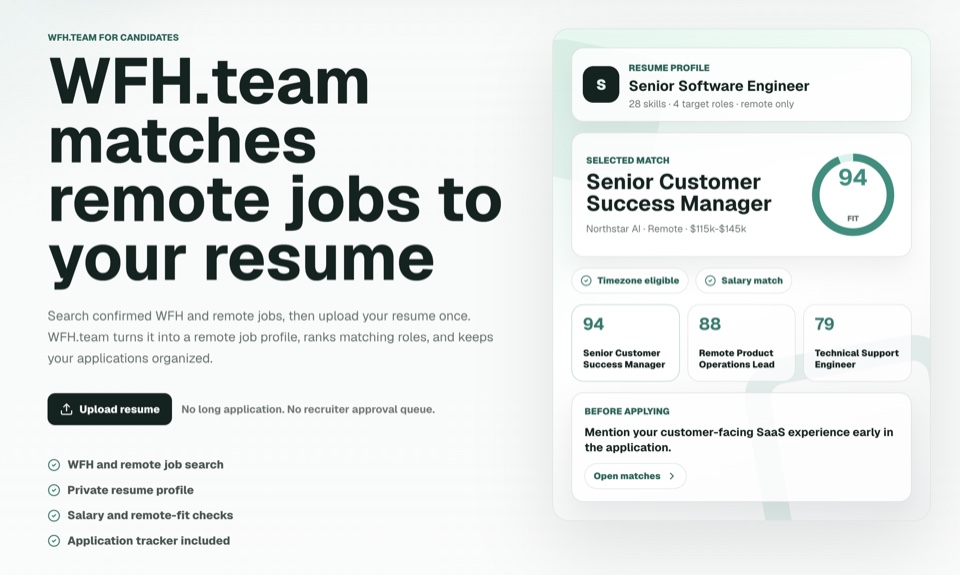 |
|
|
|
Reader check-in Help shape tomorrow's briefingOne click tells us what to keep, improve, or tighten. | |
| |
|