| Monday digest | Monday, November 9, 2026 |
| | Our toolsSuperpower ChatGPT/WFH.team/Snipman/Superpower Daily New Tab | Today's briefing What matters todayMeta’s AI agent is moving beyond one-off questions. Its new project workspaces put the spotlight on what happens after you close the chat. | Inside today's briefing | | 01 | Meta says connected apps can keep your project spaces current. | | 02 | OpenAI says its stronger lab model still misread experimental controls. | | 03 | Physical Superintelligence says AI solved a long-standing quantum-computing conjecture. | | 04 | Musk promises a closer look at SpaceX’s proposed orbital computers in 2027. |
| 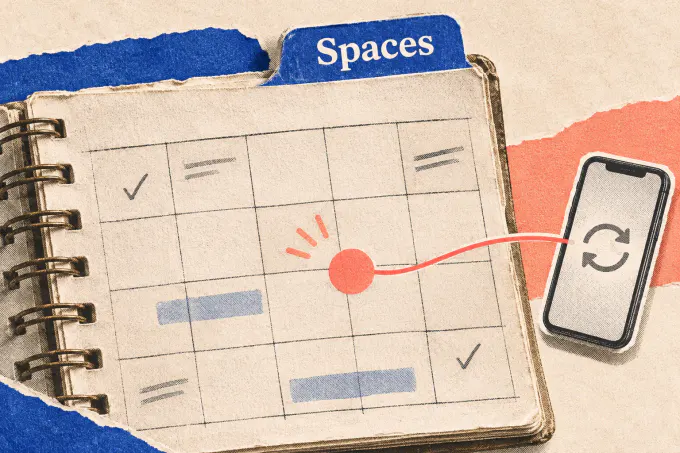 | Lead story / launch Meta gives its AI agent dedicated workspaces for ongoing projectsMeta has launched Spaces inside its Muse AI agent, giving ongoing projects dedicated work areas in the interface’s sidebar. Users can describe what they need in chat, and Muse builds a planner, tracker or project board. Each Space holds a conversation organized around a particular topic or goal, ready to revisit. The bigger promise is what happens between visits. Meta says connecting apps lets a Space update in the background, bringing in changes such as new concert dates, prices or savings progress without another prompt. That goes beyond reopening an old conversation, though the background-update capability remains a company claim. Meta suggests using Spaces for wedding planning, holiday gifts, family-event recipes and do-it-yourself projects. In a November 6 post on X, Mark Zuckerberg said he had built a BBQ game, an event tracker and a home-control dashboard. Those examples describe the CEO’s experience, rather than independent tests of the feature. Spaces arrives with an existing audience for Muse. During Meta’s October earnings call, Zuckerberg said the agents had reached 10 million users in the U.S. and Canada less than two months after debuting. That figure measures Muse’s audience—not adoption of Spaces—and the new feature’s reach remains unclear. Read full story ↗ |
| From 2 hours to 8 minutes |  | Decks remain the unit of work in most client-facing jobs—and they still take up afternoons. Templafy Document Agents are built for high-value work. Unlike a generic assistant that starts from scratch each time, a Document Agent knows your templates, approved content, and rules, producing consistent, client-ready output. Inside PowerPoint, it brings 3,000+ icons, thousands of professional images, and 50+ consultancy-grade smart art designs. One IT consultancy cut proposal generation from 4 hours to 20 minutes. Try Document Agents free for 14 days |
| 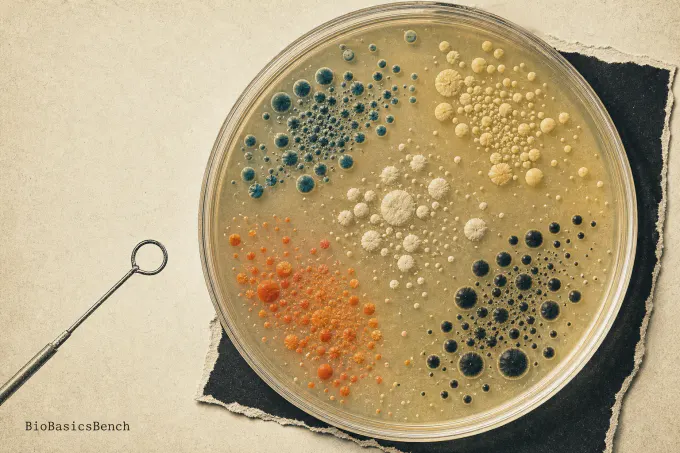 | benchmark OpenAI’s new lab benchmark shows gains, but AI still misreads evidenceOpenAI introduced BioBasicsBench, 100 tasks built with biotech company Ligo using raw, imperfect lab evidence. At the highest reasoning setting, GPT-6 Astra earned 66.7% of available rubric credit versus 43.8% for GPT-5.6 Sol; these are partial-credit scores, not experiment success rates. Astra still misread controls in a cloning task and would have directed researchers to purify the wrong plasmid, limiting what the gains establish about reliable lab autonomy. Continue reading ↗ |
|  | A tool for your workflowSuperpower Daily New Tab | | Open a new tab to AI news, daily games, and useful discoveries. Make it your own with backgrounds and components. | | See the new tab |
| 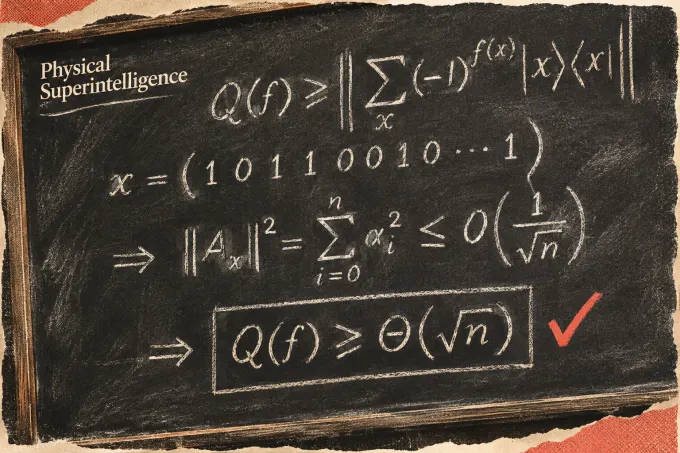 | research Physical Superintelligence says its AI proved an 18-year-old quantum conjecturePhysical Superintelligence says its system, running an unreleased Anthropic model, proved the Aaronson–Ambainis conjecture on day three of a run. The company published a formal proof on GitHub and says Lean accepted it. The result concerns how often computers read typical random inputs, not quantum advantage generally. The paper had not been peer-reviewed as of November 8, making independent review the next test. Continue reading ↗ |
| 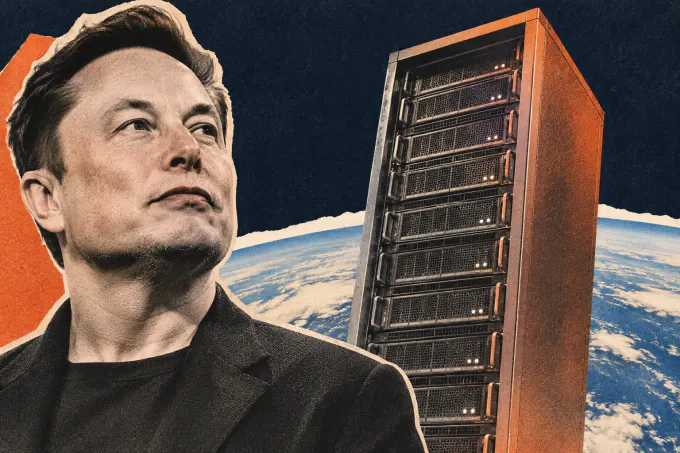 | infrastructure Musk promises 2027 details on SpaceX’s proposed orbital AI computersElon Musk says SpaceX will disclose more about StarMind in 2027, not that its proposed orbital AI computers are ready. Nvidia is reportedly co-designing the systems, but the satellite configuration remains undisclosed. Reports place initial launches in either Q3 or Q4 2027, with broader deployment envisioned in 2028–29. Deployment depends on solving heat, radiation and servicing challenges, plus reliable, frequent Starship launches. Continue reading ↗ |
|
|