In partnership with

SPD-BEEHIIV:1e7f9dbf-94d5-488b-a4d4-051a362b6416:R39:72c2524efb13a21a8bcb2964Reviewers flag limits in the patient data; the findings offer research leads rather than reasons to change care.
| Daily issue | Thursday, October 15, 2026 |
| | Our toolsSuperpower ChatGPT/WFH.team/Snipman | Today's briefing What matters todayToday, Meta’s health-research experiment puts the gap between producing results and validating them in focus. Free software alternatives, equity-heavy AI pay, inspectable chatbot memory and coming disclosure requirements add practical choices for builders and operators. | Inside today's briefing | | 01 | Meta’s researchers used AI for hypotheses, analysis and drafting, but reviewers cautioned against treating the findings as changes to care. | | 02 | ArtCraft’s 13 free apps target core Adobe and Microsoft functions, but feature parity, security and long-term maintenance remain unproven. | | 03 | Sakana Chat users can trace saved facts to their original conversations and see which memories were combined in a reply. | | 04 | OpenAI is retiring five dated GPT-4 API releases on January 14, 2027, with fine-tuned versions sharing the same deadline. |
|  | Lead story / research Meta uses AI to help produce 10 health papers in four weeksMeta disclosed ten health-research manuscripts on October 14 from a four-week, human-led experiment. Medical researchers used AI to generate hypotheses, write and execute code, and collaborate on drafting papers. The system ran on Muse Spark 1.3 and Muse Wonder inside an internal software framework, with access to public data and a licensed database of five million de-identified electronic health records. Those records were retrospective, not collected through a new clinical trial. Researchers retained responsibility for scientific decisions and conclusions, including choices about patient groups, variables, methods and interpretation. Each manuscript received feedback from peers in the research cohort, analysis review by a biostatistician, and summary reviews from contracted independent experts. Those published reviews were not blanket endorsements: they exposed questions that the AI-assisted workflow and large dataset could not settle. One paper examined heart-rhythm diagnoses after infective endocarditis, an infection of the heart’s inner lining and valves. Meta’s summary reported a one-year risk of seven percent, versus four percent among patients with bloodstream infections without endocarditis. Penn State cardiologist Michael Farbaniec praised the methods but cautioned that differences in cardiac monitoring could explain the result: more monitoring can uncover more diagnoses. He described the finding as hypothesis-generating, not practice-changing. Other papers showed similar limits. A behavioral-health emergency study found worse outcomes among patients who left without being seen, but lacked important details about illness severity, diagnoses and reasons for departure. A diabetes study found that documented remission ended more often through restarting treatment than rising blood sugar, without establishing why treatment resumed. Its narrower recommendation was to report those outcomes separately. The experiment produced research leads; it did not establish, on its own, a reason to change patient care. Read full story ↗ |
|
|
Your AI prompts are leaving out 80% of what you're thinking.
When you type a prompt, you summarize. When you speak one, you explain. Wispr Flow captures your full reasoning (constraints, edge cases, examples, tone) and turns it into clean, structured text you paste into ChatGPT, Claude, or any AI tool. The difference shows up immediately. More context in, fewer follow-ups out.
Used by teams at Microsoft, Amazon, and Notion. Try Wispr Flow free on Mac, Windows, iPhone, and Android.
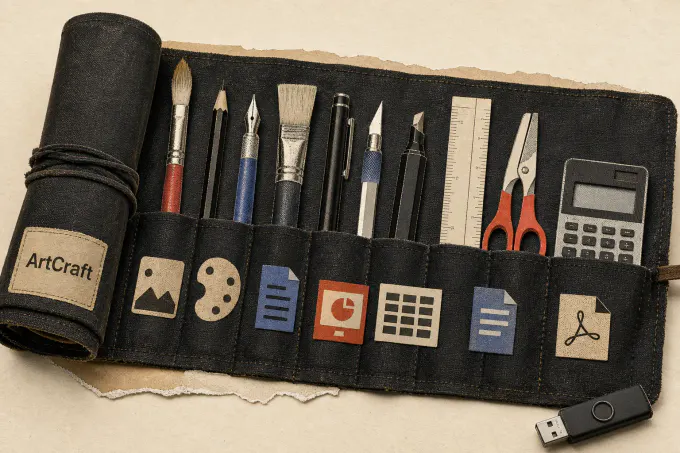 | launch ArtCraft releases 13 free alternatives to Adobe and Microsoft appsArtCraft has released 13 free, open-source apps targeting core creative, document, presentation and spreadsheet functions. Engineer Brandon Thomas says he built them with Claude Opus 5.5 and Rust using public file-format specifications. An intellectual-property scholar questions whether the claimed clean-room process can be verified. Users must weigh subscription savings against setup work and unproven feature parity, security, privacy and maintenance. Continue reading ↗ |
|  | A tool for your workflowSnipman | | Save your best replies once, then insert complete answers wherever you work. | |
| 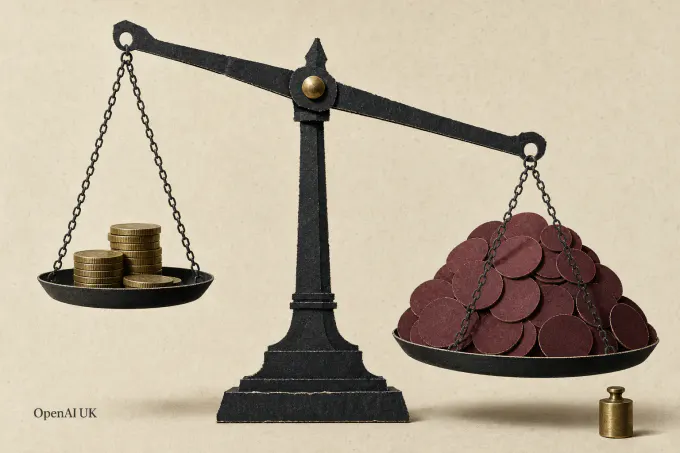 | earnings OpenAI UK’s average staff compensation reaches £2.3 million, mostly in sharesOpenAI UK’s 110 staff shared £255 million in compensation in 2025, averaging £2.318 million per person. Shares accounted for £168 million, compared with £87 million in salaries, so the average is not a cash-salary figure. The subsidiary reported £293 million in turnover, more than triple the prior year, and £20.3 million in profit. These are UK figures, not worldwide totals, and the Guardian reported substantial differences between employees’ packages. Continue reading ↗ |
| 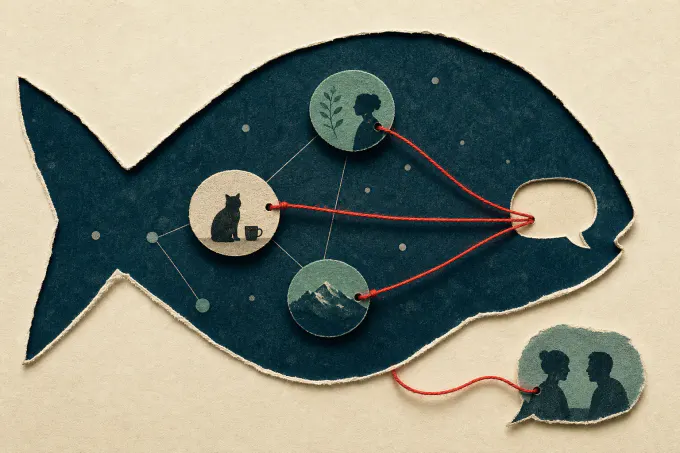 | launch Sakana AI lets chatbot users see what it remembers and when it uses itSakana AI’s My Fish feature makes Sakana Chat’s saved memories inspectable on web and mobile. Users can trace individual facts to their source conversations, review reads and writes, and see which memories were combined in a reply. Memory remains on by default, with an option to disable it in settings. More accurate selection and updating are future goals; this release exposes the memory already at work. Continue reading ↗ |
|
|
Stop Making Shoppers Spell It Out
“Running shos” shouldn’t return zero results. Neither should “red waterprof trail runners under $150.”
Traditional search needs exact keywords. Gladly understands what shoppers mean, typos and all, and turns dead-end searches into products that fit what they asked for.
| | Beyond the feed / AI events | | | A concrete implementation workshop for technical founders and engineers. The agenda covers security, tools and deployment as well as creating the agent. | | See the event → Explore more events |
| Daily tool drop 6 AI tools worth knowing today | |
| | | The Internet Had a Point | Meme from the stashAI Needs Adobe to Lose |  |
| |
| Your daily challenge Cipher / Moderate / 3–5 min Read the clues. Pick your symbols. Crack the secret code. Take the challenge →Explore all games | | AI PULSE / YOUR PERSPECTIVE Compared with six months ago, how useful is AI in your own life? Take part → | Reader check-in Help shape tomorrow's briefingOne click tells us what to keep, improve, or tighten. | |
| Prefer one email a week? Get the Monday briefing, including Friday and weekend news. |
|